

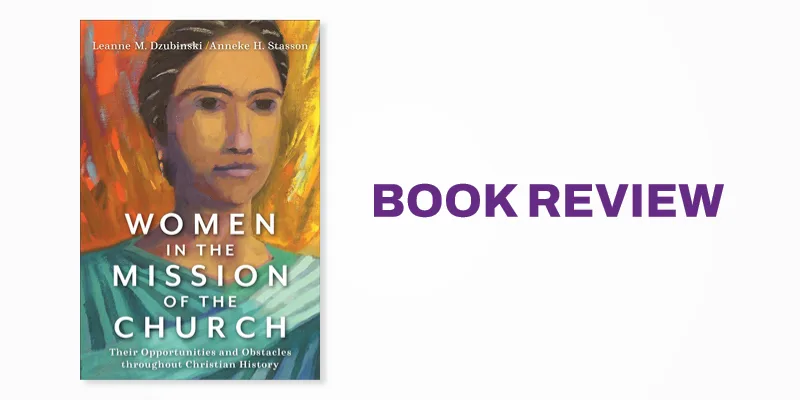
Women in the Mission of the Church provides examples from each period of history, from the early church in Acts and the Epistles in which Nympha, Lydia, and Mary hosted house churches, to 1995 when Bishop Yami founded Blessed Home Church in Malawi. Women are shown at all levels of leadership, authority, and participation, serving as missionaries, preachers, nuns, Beguines, Bible translators, and church founders among many other services. Throughout time, women have served with the blessing and praise of men, as well as with the scorn and disapproval of men, proving that a woman’s capability and calling is defined only by God. The service that women render changes to fit the needs of the time and community as well as the restrictions placed on them by society. At certain times women preach to mixed audiences of thousands while at other times they lead from behind as vital spiritual influences for their husbands and sons. Each woman highlighted in the book served God in the way that He had called her, not bending to the expectations placed on her.
The authors of Women in the Mission of the Church have organized the content of the book in an easy-to-follow manner that separates the chosen women into time periods and ministry functions. They have included timelines at the beginning of each chapter that connect the individual accounts to well-known r events in the Church and secular world. These two ways of organizing the content have allowed the work to be more easily digested and retained. They provide increased clarity and allow the reader to place each woman on their own mental timeline of historical events.
Both the Catholic and Protestant perspectives are explored through the histories that Dzubinski and Stasson present. Though worshiping the same God and using largely the same sacred text, these two Christian perspectives have influenced the lives of women in different ways. Catholic leaders have historically emphasized the importance of celibacy, singleness, and separation as the way for women to grow in spirituality. Conversely, Protestants have emphasized the importance of raising, influencing, and supporting families as the way for women to grow in spirituality. This dichotomy of viewpoints has bled into the treatment of and expectations for women historically and up to the present day.
Though there are many wonderful things to learn from the content of Women in the Mission of the Church, the tone of the book can seem dry and sterile. The information is presented in a way that conveys facts and explains situations but does not tell narrative stories that hold the reader’s attention. This book would be most enjoyed by reading a few pages or stories at a time. When read this way, the reader will not become disinterested and unfocused, but rather, will be able to take in more of the information presented. If you are wanting to learn more about the “great cloud of witnesses” that have served as examples of living out their faith, Women in the Mission of the Church is a good resource to consider.