


Imagine waking up one day without the ability to sense warnings from your body. You make a cup of hot tea and drink it too quickly without noticing it burning your hands, mouth, and throat. You sit in one position through long meetings but cannot feel numbness from the loss of circulation in your legs or feet. Dr. Paul Brand noted the devastating impact of leprosy—a crippling disease that robs its victims the ability to feel the pain that is needed to protect itself.1
A similar phenomenon can occur between groups of people. After interviewing Nazi war criminals, one historian noted that the most pervasive trait of the perpetrators was their inability to feel the pain inflicted on their fellow human beings, the Jews.2 Sadly, the same ethnic brutality and lack of empathy is now evident in the genocide of Palestinians. History repeatedly teaches that failure to empathize with those who suffer is equally and supremely harmful to perpetrators because, “If one member suffers, all members suffer together” (1 Cor. 12:26). Even more, research shows that in times of poverty, war, disease, and ethnic displacement, women and children suffer the most.3 Christians are too often slow to respond empathically to the results of male-dominance in marriages and churches, begging the question: where is our empathy—the ability to feel the pain of women in churches and marriages? As I ponder this dilemma, I notice two things.
First, the oppression of women is systemic, crippling women in one way or another in every nation on the globe. For centuries the Bible has been misinterpreted and used to oppress women, keeping them dependent and vulnerable to male authority, abuse, and violence. Women’s dignity, agency, and gifts have been devalued, and their callings discounted and demeaned.
Second, as Christians, we know that pride and dominance are two sinful root causes. While we may not be able to rescue every suffering woman, we can work hard to expose the theological failures perpetuating women’s harm worldwide. That is CBE’s mission: To show how Scripture “teaches the fundamental equality of women and men of all racial and ethnic groups, all economic classes, and all ages, based on the teachings of Scriptures such as Galatians 3:28.”
At CBE we provide a biblical basis for the dignity, respect, and equal treatment of women in the home and church. We labor to bring accurate biblical resources that raise the value and status of women, distributing them to institutions of higher education, churches and missionaries worldwide. As CBE continues to confront abuse through our multimedia web resources, our award-winning journals, through our international events and conferences, and by vetting egalitarian counselors and therapists, CBE continues to be a lifeline and a point of healing for many women and men from every walk of life around the world.
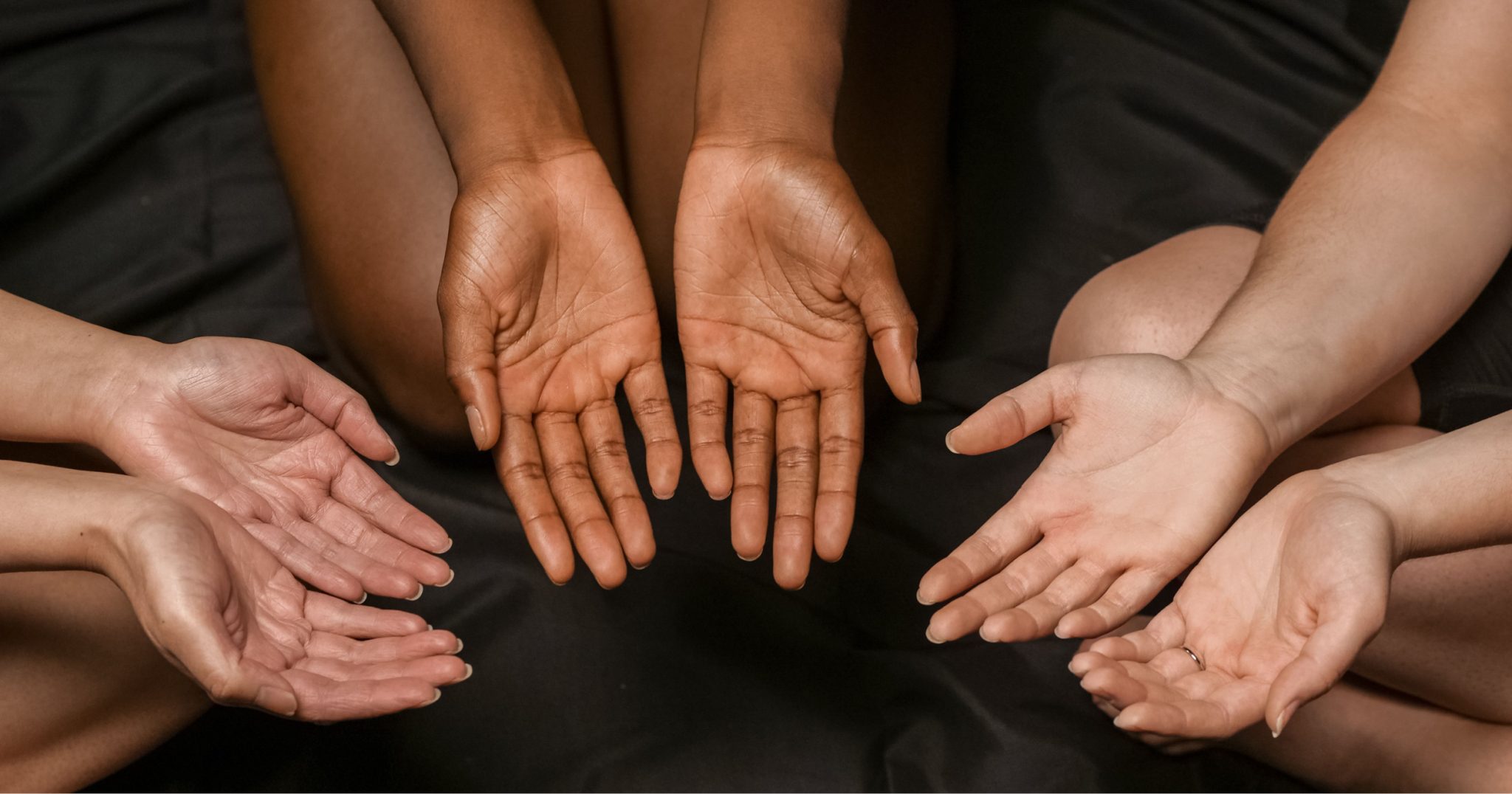
And those who have found God’s healing through CBE are often compelled to also become agents of reconciliation working beside CBE. Promoting the truth embodied in our cornerstone passage Galatians 3:28, “There is neither Jew nor Gentile, neither slave nor free, nor is there male and female, for you are all one in Christ Jesus.” This passage is considered the heartbeat of the Apostle Paul because his ministry and writings all originate from passages in service to others and also return to it for personal reflection and healing. Perhaps that is why so many Christians have become egalitarian activists, praying without ceasing, writing books and articles, speaking and leading initiatives, becoming generous donors. Others give of their time and talent on CBE committees, leading chapters, volunteering in our office and at conferences, in donating their expertise, and in building churches that honor and empower all people, without respect to gender, race, and class. For this we are grateful. We have seen the impact of this precious work with our own eyes. We see the sensation and color returning to the body of Christ as more and more people begin to gain the empathy needed to feel the injustice of flawed readings of Scripture that brings pain and harm to so many. Empathy then leads to action among the members of Christ’s body—the church. God’s biblical activists are bringing healing and working to end future pathways of harm to others, so that we can truly rejoice: “rejoice with those who rejoice, and to mourn with those who mourn” (Rom. 12:15). Because of the global efforts of egalitarians, every day we hear from someone who was near despair but now has found joy and encouragement in the understanding that “in Christ Jesus there is neither Jew nor Greek, slave or free, male or female; for you are all one in Christ Jesus.” We see healing.
Notes
- Paul Brand, Philip Yancey. The Gift Nobody Wants: The Inspiring Story of a Surgeon Who Discovers Why We Hurt and What We Can Do About It (New York: Perennial, 1995).
- Manuel Camassa, On the Power and Limits of Empathy (Switzerland: Palgrave Macmillan, 2024).
- Raul Duarte, “How Armed Conflict Devastates Women’s and Children’s Health Globally: CID Faculty Research Insights,” CID Voices Blog, Harvard Center for International Development, April 23, 2025.