

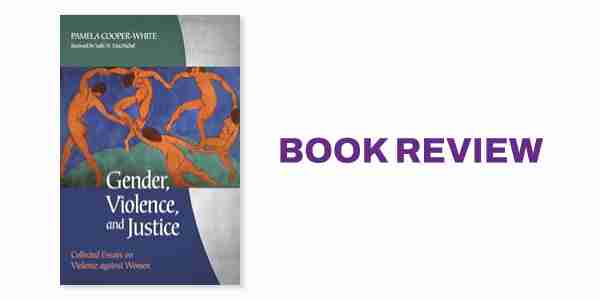

Gender, Violence, and Justice is a collection of essays written by a leading expert in the field of violence prevention against women and pastoral theology. The essays cover a wide range of topics, including intimate partner violence, sexual abuse, pastoral abuse, and issues of forgiveness. Moreover, these essays are linked by the underlying encouragement that churches (and society) can do better in fostering healthy and fruitful relationships. The series of essays are the culmination of decades of work and research; as such, they reflect changing trends, concerns, and new research. Woven throughout the essays are many statistics that illustrate that this topic matters and should be of grave concern to churches. On page 154, White comments that based on large-scale survey, 39% of women have experienced some form of abuse and/or sexual assault. Moreover, 1 in 5 high school girls reported physical or sexual abuse by a dating partner. Numbers certainly do not adequately capture the suffering that each of these women encountered, but they do help readers come to terms with the heaviness of the topic.
One essay that was of relevance as a counselor was the essay on the nuanced topic of forgiveness. It is difficult to acknowledge the damage done when a victim is told to offend their abuser, and do so quickly. I was moved by the authors’ empathic declaration that forgiveness is not our work to do but rather is a gift of grace. This encouragement was a lovely response to unnecessary pressure on victims that healing is scripted or linear.
As I sat down to reflect upon these essays, I must admit that I bring myself into this book review. I’m a counselor (but also a qualitative researcher) and believe that it is important to acknowledge the lens through which I read this book and type these words. Indeed, I am a white woman who is a counselor, and unfortunately I have sat with too many Christian women whose safety has taken a backseat to the safety of a perpetrator. I have also personally been privy to microaggressions that make me doubt my ability as a woman academic, counselor, and woman of faith. Though this is not violence per se, attitudes that create unsafety for women too often culminate in violence.
This series of essays is a testament to the author’s longstanding advocacy for women and a useful primer to those in ministry who grieve the mistakes of the past and are looking to move forward to better serve the women in their midst. I wanted to end this review with a quote White shares: “pastoral theology begins by taking human suffering as its starting point, the open wound of life in this word,” (141). We do a disservice when we minimize or ostracize the voices and stories of women whose pain, grief, and laments deserve space to be heard and validated! White’s overall thesis is a call to listen deeply, care compassionately, and honor the deep cries of women!