

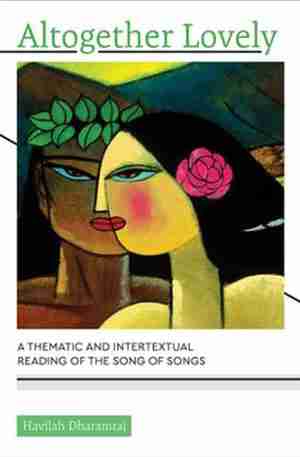
Havilah Dharamraj approaches the Song of Songs with a clear vision of the genderization of power relationships in the ancient Near East and through an intertextual method centered not on production but on the reception of texts. She sets the Song’s lyrical portrayal of passion and intimacy alongside other canonical portrayals of love spurned, lust, rejection, and sexual violence from Hosea, Ezekiel, and Isaiah. The result is a richly nuanced exposition of the possibilities of intimacy and remorse in interhuman and divine-human relationships. The intertextual juxtaposition of contrasting texts produces a third text, an intracanonical conversation in which patriarchal control and violence are answered in a tender and generous mutuality.
 Mutualidade Biblical Equity 101, Biblical Studies, International Resources, New Additions, Non-English
  L’Unité de l’Homme et de la Femme selon la Bible (French Edition) Biblical Equity 101, Biblical Studies, Books by Women, New Additions, Non-English
  An Historian Looks at 1 Timothy 2:11–14, Second Edition
  True Complementarity
  The Exegetical Process
  Understanding 1 Timothy 2:8–15 in Context (Free Resource)
  Reading Galatians
  Unhiding Women in the Parables
 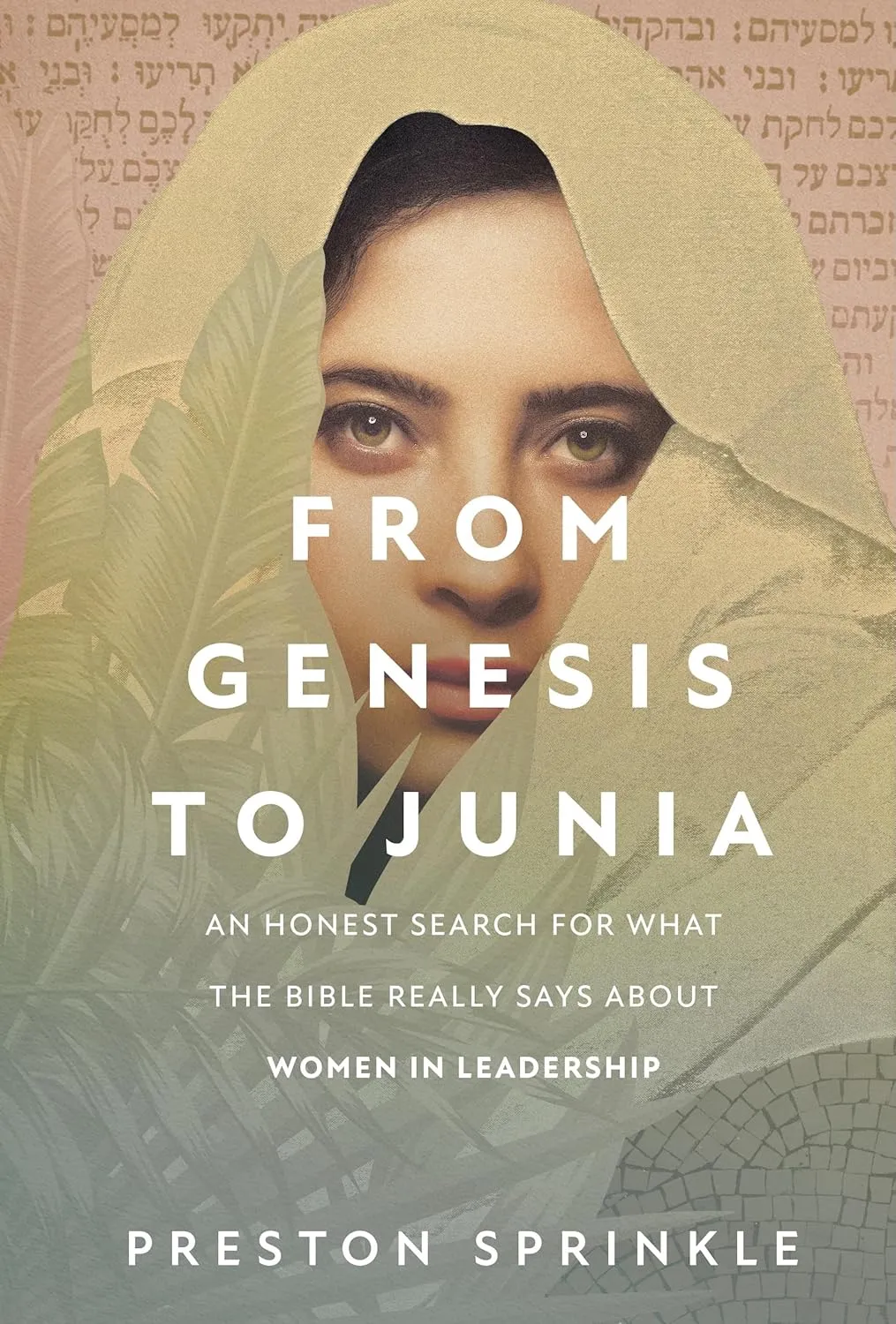 From Genesis to Junia