

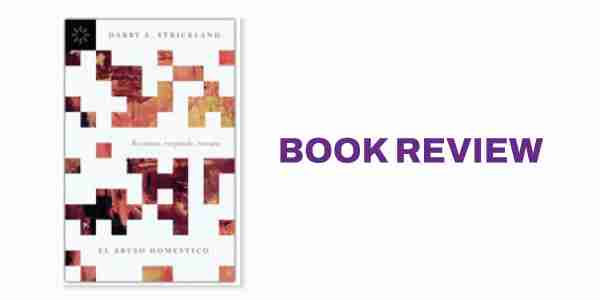

En dos libros cortos, la consejera familiar Darby Strickland describe cómo reconocer el abuso doméstico y cómo ayudar a una víctima. En la primera, El abuso doméstico: Ayuda para las víctimas, ella mantiene que el control nunca debe caracterizar un matrimonio. Para evitar una confusión de términos, ella emplea la categoría bíblica de opresión para enfatizar el control de por medio, y así nos provee pasajes bíblicos que se refieren a la situación.
Strickland identifíca varios tipos de opresión: físico, emocional, espiritual, sexual, y financiero. Da una lista de preguntas para evaluar si te encuentras en una relación opresiva. Contesta la confusión que una víctima suele experimentar al sentirse culpable de las acciones de su esposo y lástima por él. Explica que Dios aborrece la opresión y la violencia. Un opresor cree que tiene derecho a un cierto trato, es un manipulador, y tiene un pobre consciencia de sí mismo. Al igual que Abigail, una víctima debe monitorear su seguridad, incluso alistarse para huir si sea necesario. Es importante establecer un sistema de apoyo, a veces fuera de la iglesia.
El segundo libro, El abuso doméstico: Reconoce, responde, rescata, enfoca en el apoyo que los consejeros, familiares, y amigos preocupados por una víctima de opresión pueden brindarla. La autora sugiere preguntas que ellos pueden usar para evaluar si hay patrones y desbalances en un matrimonio. La zarza de la parábola de los árboles en Jueces 9 ilustra como la opresión asfixia y produce más y más dolor. Una consejera debe ayudar a la víctima compartir su historia sin que el esposo este presente, mantener su información con confidentialidad, y asegurarse que la víctima esté segura en lo físico como en lo mental. Escrituras como Mr 7:20-23 y Prov 6:16-19 pueden convencerla que su esposo es pecador. Es importante no ofrecer consejos que sirven en la consejería normal de matrimonios, por ejemplo, “esfuérzate para agradar a tu esposo”, porque pueden promover un incremento en el abuso. La segunda parte del libro expone cómo acompañar a un opresor en derribar el sentido de derecho, y en soltar el poder y el control.
Estos dos libros son de mucho valor en el proceso de determinar si una mujer está siendo lastimada por un opresor, y dan consejos para liberarla por medio de la palabra de Dios.
English Translation
In two short books, family counselor Darby Strickland describes how to recognize domestic abuse and how to help a victim. In the first, El abuso doméstico: Ayuda para las víctimas, she maintains that control should never characterize a marriage. To avoid confusion of terms, she uses the biblical category of oppression to emphasize the control itself, and to provide readers with biblical passages that refer to the situation.
Strickland identifies various types of oppression: physical, emotional, spiritual, sexual, and financial. She gives a list of questions for readers to evaluate if they are in an oppressive relationship. She answers the confusion that a victim may experience of feeling responsible for her husband’s actions and sorry for him. She explains that God hates oppression and violence. An oppressor believes that he has the right to certain treatment, is a manipulator, and has poor self-awareness. Like Abigail, a victim should monitor her security, including preparing to escape if necessary. It’s important to establish a support system, sometimes outside the church.
The second book, El abuso doméstico: Reconoce, responde, rescata, focuses on the support that counselors, family members, and friends concerned for a victim can offer her. The author suggests questions that they can use to evaluate whether there are patterns and imbalances in a marriage. The thornbush in the parable of the trees in Judges 9 illustrates how oppression asphyxiates and produces more and more pain. A counselor should help the victim share her story without the husband present. The counselor should keep the information confidential and assure that the victim is physically and mentally secure. Scriptures like Mark 7:20–23 and Proverbs 6:16–19 can convince the victim that her husband is a sinner. It’s important not to offer typical marriage counseling advice like “try harder to please your husband,” because this could promote an increase in the abuse. The second part of the book expounds how to come alongside an oppressor to knock down his sense of entitlement and to help him let go of power and control.
These two books are valuable to the process of determining whether a woman is being hurt by an oppressor, and they give advice on how to liberate her through God’s Word.