

A young woman in her third year of seminary approached me after a CBE conference. With her brow furrowed, she said that while she loved her classes and her ministry, she was worried. “Am I being a woman wrong?” She explained that she and her husband were feeling pressure to start having children. They didn’t want to start a family while they were in school, and a recent post-graduate opportunity would keep them there a few more years. “We should be having a family, right? Am I a bad woman if I’m focusing on seminary education and ministry instead?”
These questions often come up in the face of shifting cultural norms and stereotypes. “Biblical femininity” has been the subject of countless Christian books and women’s church retreats. Many set out define womanhood, especially for Christian women. They lay out detailed instructions related to appearance, what women can or should wear, their hair and makeup; instructions related to behavior, especially in relation to members of the opposite sex; and instructions related to roles and purpose. Specific personality traits are elevated as models for Christian femininity, while others are discouraged: women are expected to be quiet, calm, peaceful, submissive, nurturing, with an affinity for children and homemaking, and so forth. While these things are not bad in and of themselves, the message rings clear: If you deviate from these expectations, you are missing the mark on what it means to be a woman.
But each of these measures and instructions have (at least) one serious problem in common: They are external and performative. A woman is a woman because of who she is, not because of what she does.
There are certain components that define women at a foundational, biological level. Women and men are not interchangeable; they are different, but these differences move from inward to outward, rather than the other way around. How someone dresses, whether she has a bold or quiet personality, or whether she is able or wants to have children, do not define her as a woman. These may be ways in which her womanhood, couched in her culture, can be expressed and can shape how she sees herself, but she comes to them already a woman.
Many of the criteria used to define women are culturally bound, based on particular archetypes that are held up as a standard to which all must conform. As we look throughout the world and through history, though, this standard falls apart. What one culture views as appropriate and feminine may be considered inappropriate or masculine in another. Culture itself is fluid, an ever-shifting set of beliefs and mores influenced by countless variables. Rather than attempting to define what it means to be a woman, man, or even human, through a cultural lens, we must turn to that which is consistent and eternal, which transcends time and history: We must turn to God’s word.
In spite of what many seem to believe, Scripture sets forth a broad range of women involved in every area of life: leaders, financial supporters, wives, businesswomen, prophetesses, mothers, warriors, and so on. Unlike so many popular books on “biblical femininity,” the Bible spends almost no time on what women, specifically, should wear or how they alone should behave.1
Instead, throughout the Bible, women and men are given joint callings. Women and men are equally called in the Garden (Gen. 1:26-30) and commissioned after the Cross (Matt. 28:18-20). When Paul describes different callings in the body of Christ, he does not mention gender at all, let alone divide gifts or callings as being for women or for men (1 Cor. 12). Women and men are different, and that is precisely why it is so important and so beautiful that they are equally gifted and called.
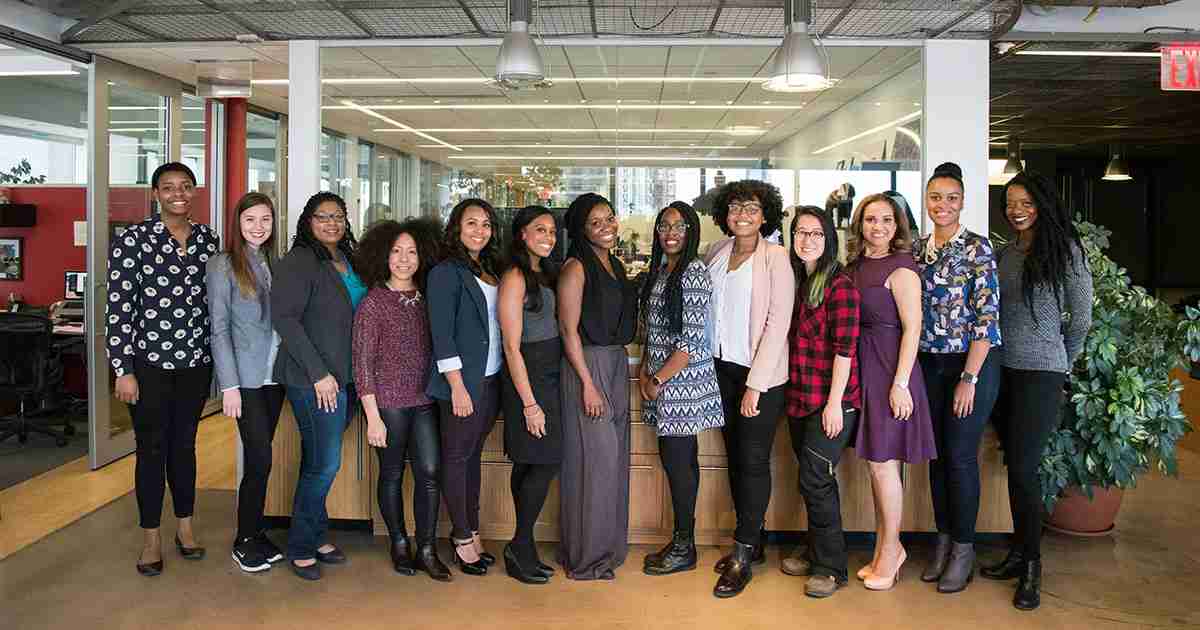
In this issue, we will wrestle with the question of what it means to be a woman. Each author brings a different perspective on womanhood in the face of cultural expectations and stereotypes, physical issues related to reproduction and strength, and the diversity of women and their work celebrated in the Bible. I hope these articles inspire you to set aside faulty cultural standards and to find freedom in who you are as a human being, reflecting the fullness of the image of God.
Notes
- 1 Tim. 2:9-10 specifically addresses how women should dress in relation to limiting displays of wealth (gold, pearls, expensive fabrics), drawing focus to their good work rather than their material goods. Marg Mowczko, “Paul’s Instructions for Modest Dress,” Marg Mowczko, December 2011, https://margmowczko.com/pauls-instructions-for-modest-dress/.