

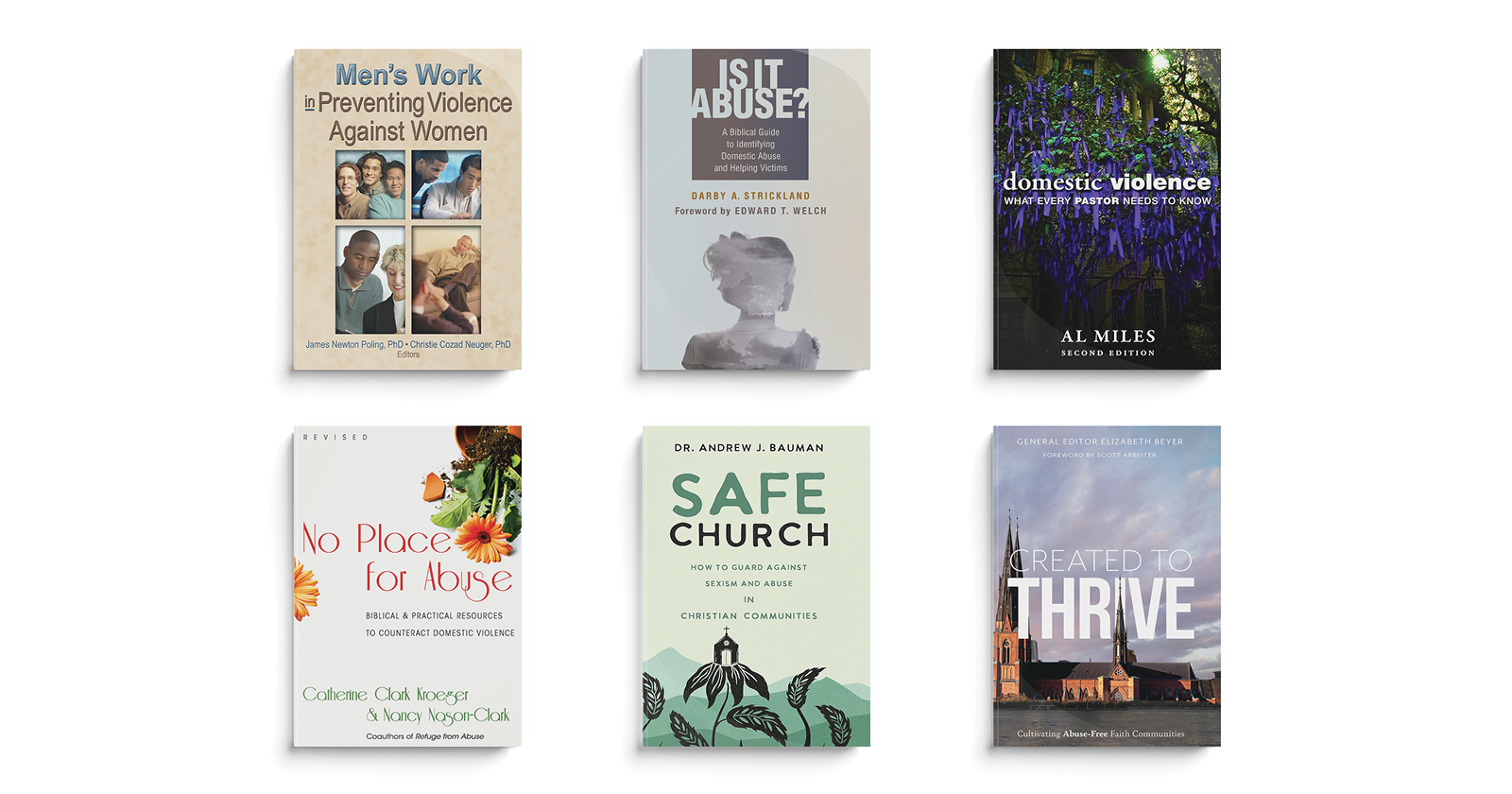
Editor’s Note: October in the United States has been designated Domestic Violence Awareness Month. As part of that tradition, the Mutuality blog will be publishing articles addressing domestic violence this month, starting with this list of twenty-five related resources from CBE Bookstore. Growing awareness of the degree to which this problem infects the church—and in some cases the church’s own complicity and perpetuation—has led to a plethora of resources being published in recent years. In an effort to keep this list from becoming overly long, it is limited to resources specifically for pastors and churches. However, a great many resources for individuals can be found in the bookstore as well.
Note that all resources featured here and in CBE Bookstore have been vetted by CBE staff or our team of reviewers. However, clicking on additional recommendations which may appear at the bottom of each book listing will lead to our host site; such resources may not have been vetted or reviewed by us.
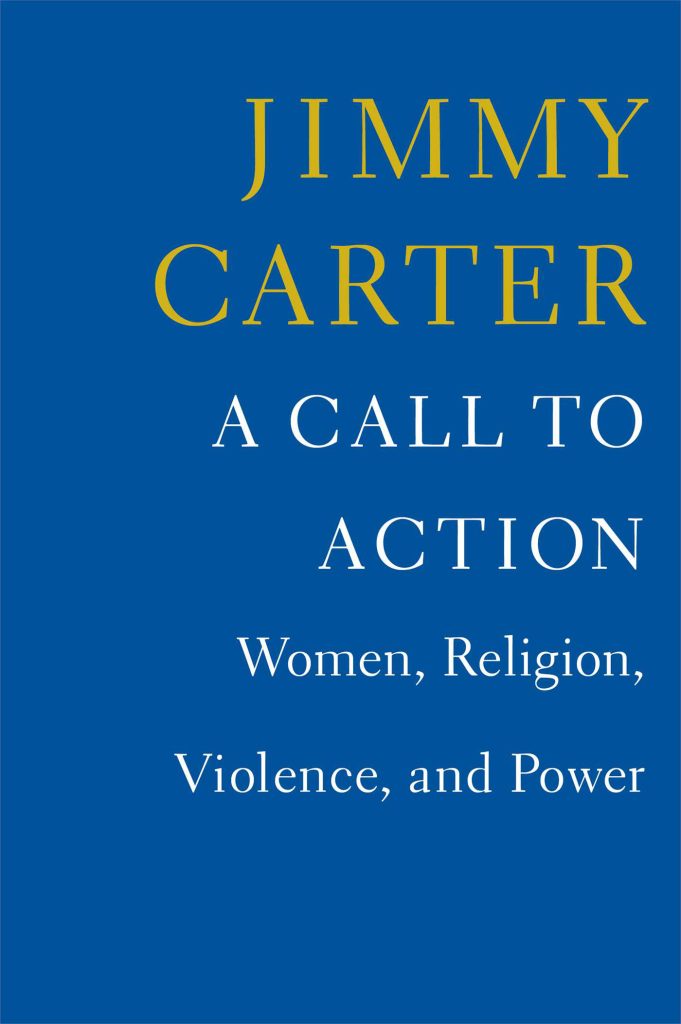
A Call to Action: Women, Religion, Violence, and Power
By Jimmy Carter
In the highly acclaimed bestselling A Call to Action, President Jimmy Carter addresses the world’s most serious, pervasive, and ignored violation of basic human rights: the ongoing discrimination and violence against women and girls.
A Call to Action addresses the suffering inflicted upon women by a false interpretation of carefully selected religious texts and a growing tolerance of violence and warfare. Key verses are often omitted or quoted out of context by male religious leaders to exalt the status of men and exclude women. And in nations that accept or even glorify violence, this perceived inequality becomes the basis for abuse.
Carter draws upon his own experiences and the testimony of courageous women from all regions and all major religions to demonstrate that women around the world, more than half of all human beings, are being denied justice and equal rights. This is an informed and passionate charge about a devastating effect on economic prosperity and unconscionable human suffering. It affects us all.
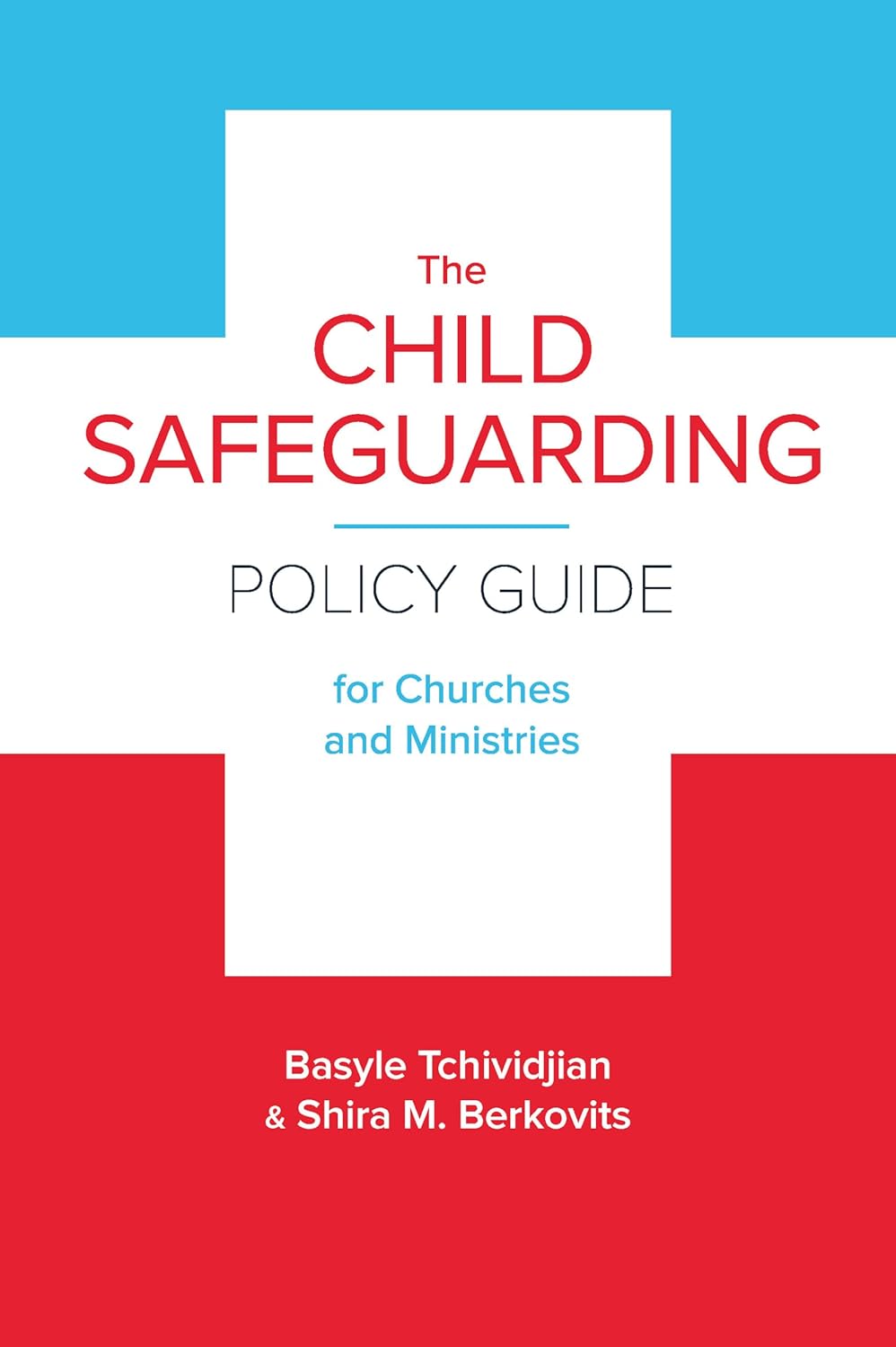
The Child Safeguarding Policy Guide for Churches and Ministries
By Basyle Tchividjian and Shira M. Berkovits
Churches are supposed to be safe havens for “the least of these,” but good intentions aren’t enough. Addressing the tragedy of childhood sexual abuse, Tchividjian and Berkovits provide pastors, youth ministers, and volunteers with solid, practical policies and guidelines to protect youngsters from predators. Discover how to respond to abuse, support survivors, train staff, and more.
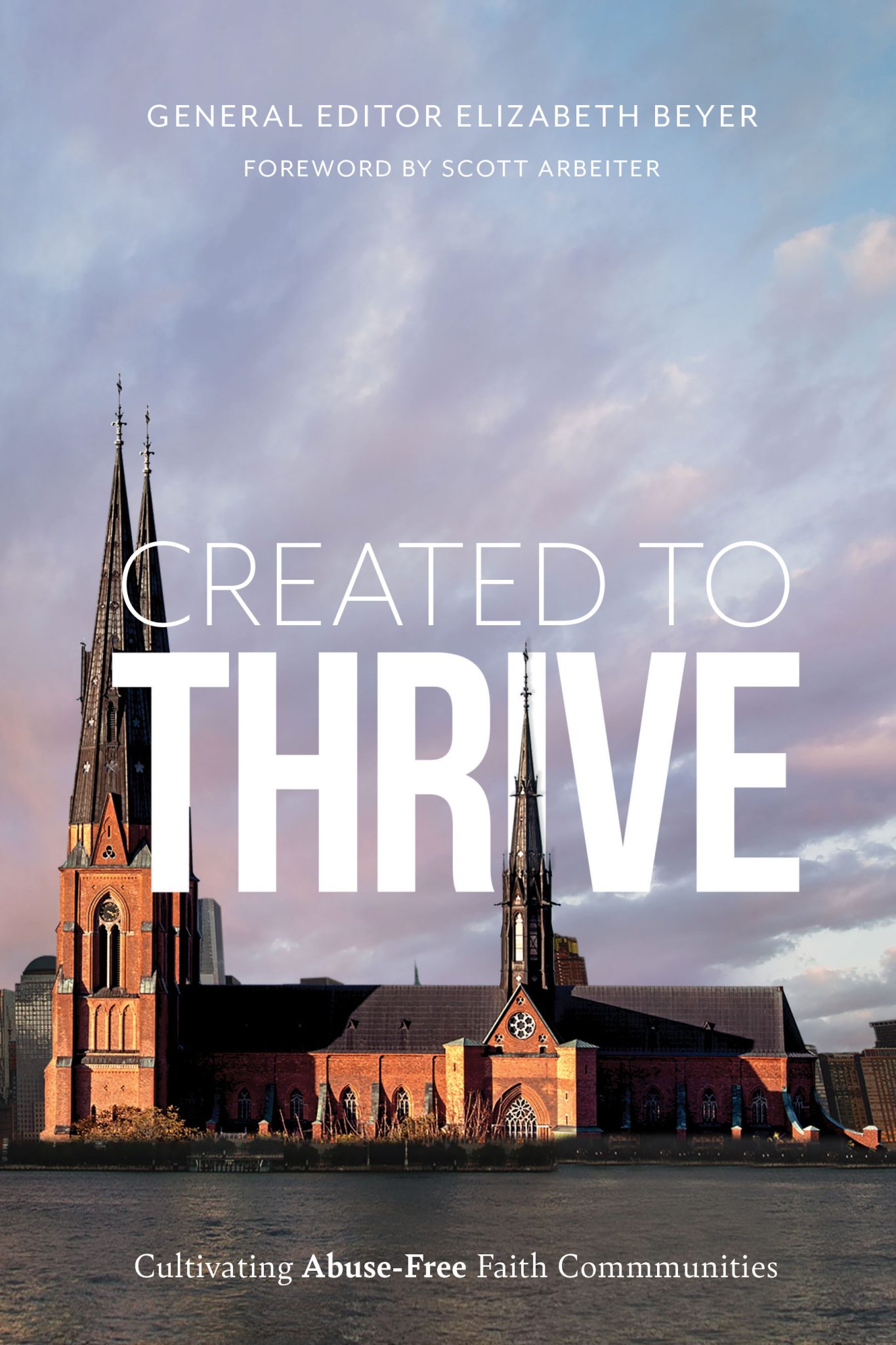
Created to Thrive: Cultivating Abuse-Free Faith Communities
Edited by Elizabeth Beyer
According to the World Health Organization, violence against women is a major public health problem and a human rights violation. Globally, one in three women have been subjected to physical and/or sexual violence in their lifetime, and most of this violence is from an intimate partner. Domestic violence can affect anyone, regardless of the communities they belong to, their education, ethnicity, or religious and spiritual practices.
Nearly half of survivors seek religious or spiritual counseling after experiencing abuse, and many find their faith to be a source of strength in their healing. A compassionate, informed, and effective response by faith leaders can be lifesaving for victims and their children. Faith can also create barriers to escaping abuse, through the misuse of religious beliefs and teachings, or faith leaders who, because they lack the knowledge of intimate partner violence, are unable to provide guidance and counsel.
Created To Thrive brings together the voices of experts and faith leaders to tackle topics related to abuse. It will help you respond wisely to reports of violence, understand and address domestic and church abuse, and gain best practices for creating abuse-free spaces.
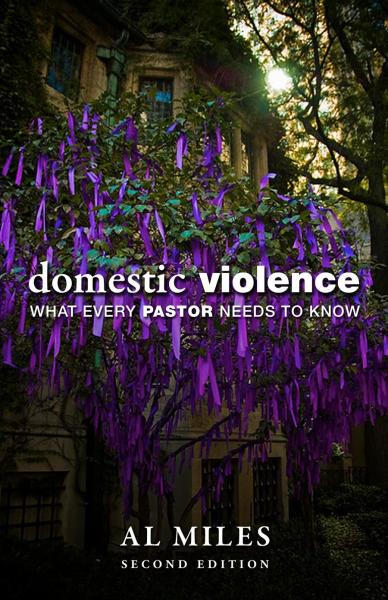
Domestic Violence: What Every Pastor Needs to Know (Second Edition)
By Al Miles
According to the American Medical Association, one quarter of American women will be abused by an intimate partner at some point in their lives. Loving support can make a tremendous difference to survivors as they struggle with the difficult process of healing and regaining trust in themselves and others. Often, however, pastoral caregivers possess the same misconceptions about domestic violence as does the uninformed public.
Al Miles addresses the issues related to inadequate pastoral response to this pervasive problem. He explores the dynamics of abusive relationships and the role that clergy members can take to heal this painful situation.
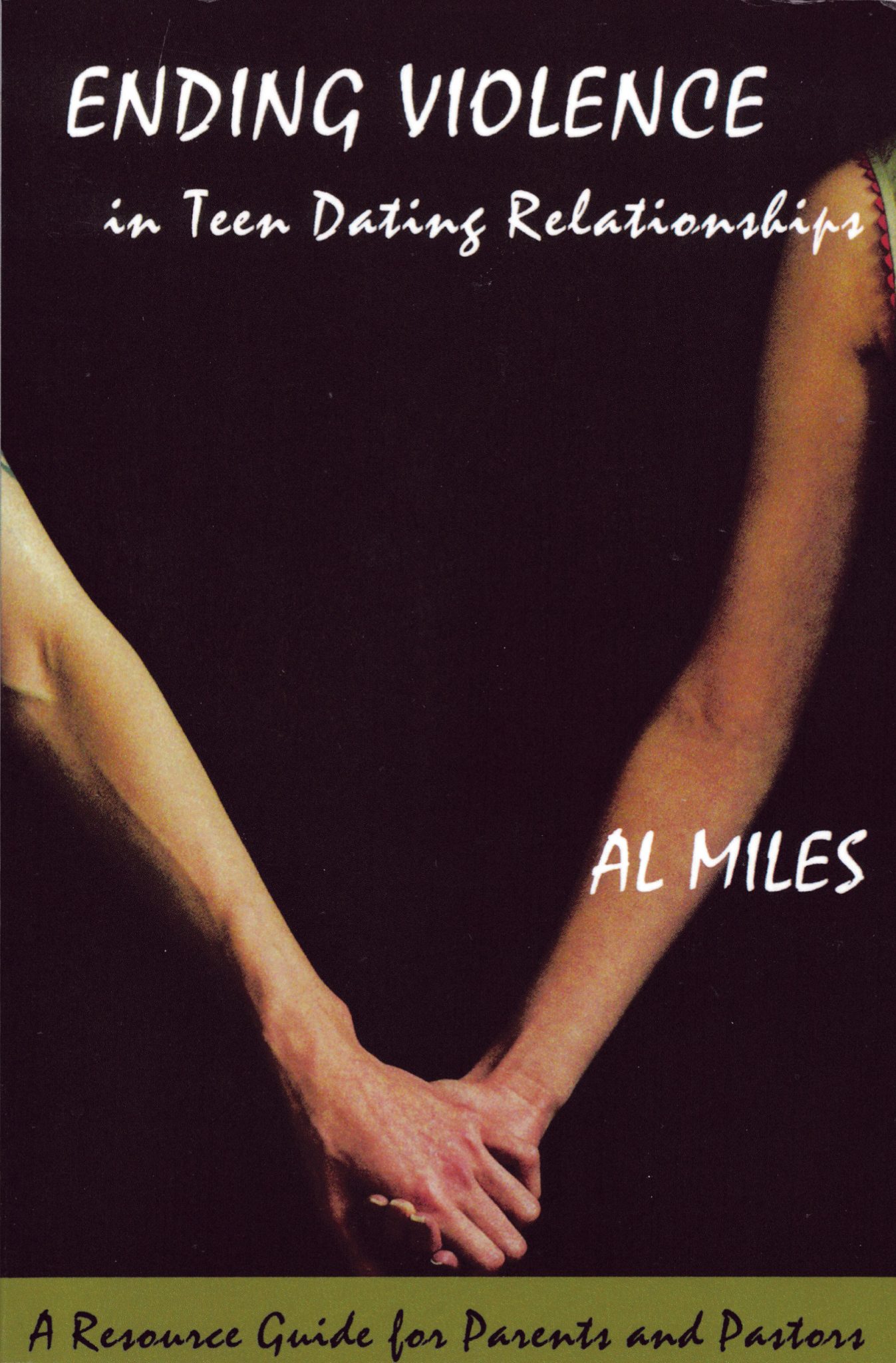
Ending Violence in Teen Dating Relationships: A Resource Guide for Parents and Pastors
By Al Miles
Al Miles, a nationally recognized expert in the field of domestic violence and teen relationship violence, explores the complex issue of teen dating violence. Through interviews and other research, he provides critical information that parents, caregivers, clergy, and educators can use to protect teens and help them foster healthy dating relationships. Miles offers thoughtful advice and answers to such questions as: What constitutes violence in teen dating relationships? Why is the problem so pervasive? What are the warning signs that parents and other caring adults can watch for that may indicate a teen is being either abused or abusive? And what can the church do to help?
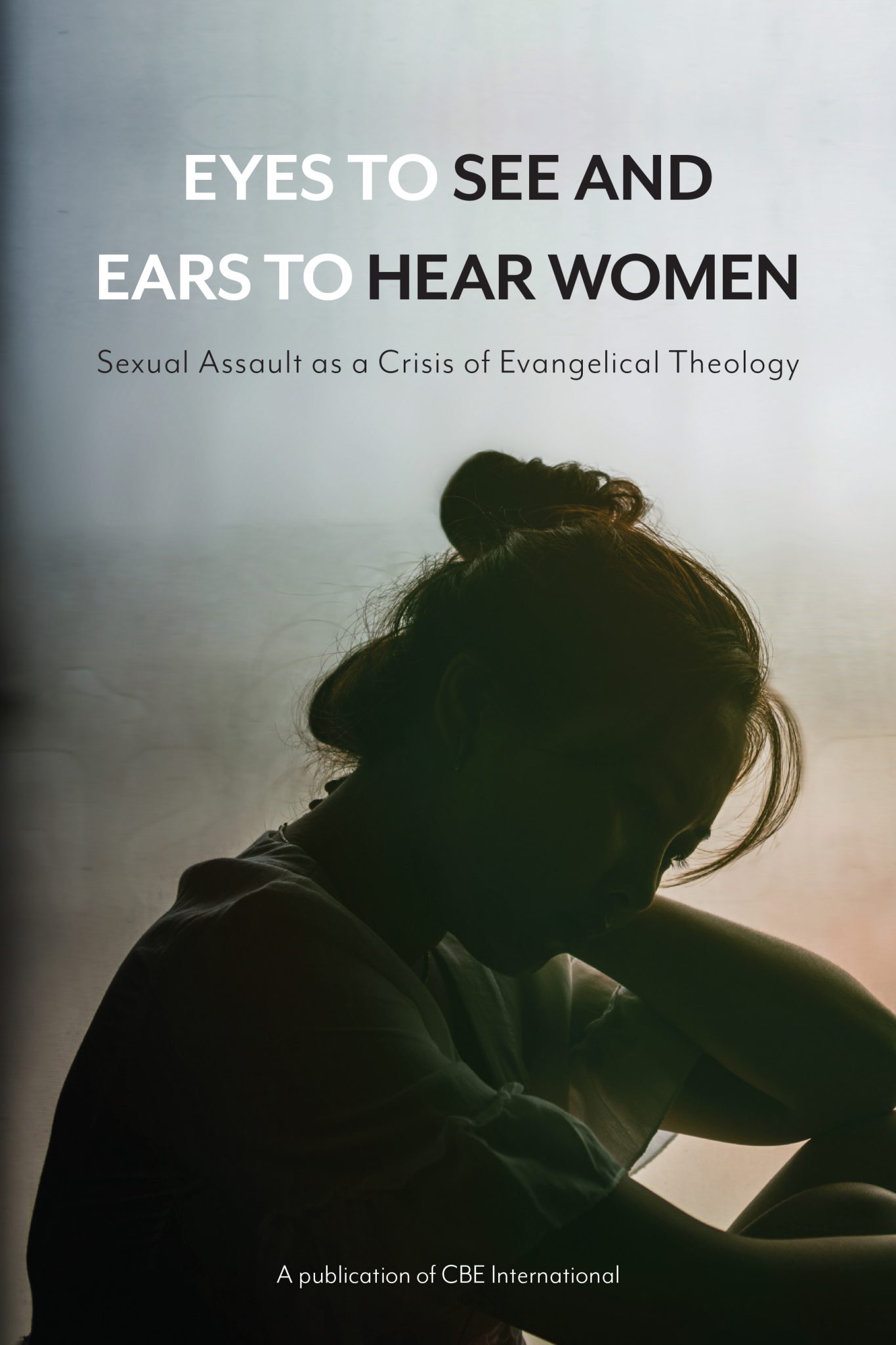
Eyes to See and Ears to Hear Women: Sexual Assault as a Crisis of Evangelical Theology
By Tim Krueger
In the #MeToo era, no one can claim ignorance about the epidemic of abuse and violence against women. For too long, church leaders have failed to see the abuse in the church and failed to hear the women who cry out for justice. In Eyes to See and Ears to Hear Women, Christian scholars examine evangelical Christianity’s engagement with women, gender, sexuality, and abuse. They reveal startling connections between popular teachings on gender and the abuse crisis that has plagued society for centuries.
Female Identity Formation and Response to Intimate Trauma: A Case Study of Domestic Violence in Kenya
By Anne Kiome-Gatobu
This book is a vital resource for intervention programs, educators, social workers, counselors, psychotherapists, pastoral counselors, and survivors of intimate violence and their families. It gives the reader access to the inner emotions and psychological mechanisms of survivors of intimate violence in collective cultures that work to hold them captive in violent relationships. The author integrates the psychological developmental theories of Heinz Kohut and Erik Erikson with social, cultural, and religious aspects to demonstrate the collusive power of what she calls the orienting system (psychosocial and religious cultural force) in the formation of a female sense of self, to investigate the peculiar range of responses of females to intimate violence. Using theoretical and empirical research, the author claims that the demeanor and functionality of the female survivor of intimate violence is an adaptation that enables her to retain her socially prescribed roles, which she appropriates as a social identity and sense of self.
Gender, Violence, and Justice: Collected Essays on Violence Against Women
By Pamela F. Cooper-White
Gender, Violence, and Justice is a volume of collected essays by an expert in the field of violence against women and pastoral theology. It represents over three decades of research, advocacy, and pastoral theological reflection on the subject of sexual and domestic violence. Topics include intimate partner violence, sexual abuse and trauma, and clergy sexual misconduct; controversial theological issues such as forgiveness; and, as well, positive frameworks for fostering well-being in families, church, and society. Framed by a foreword and an introduction that place this work in the context of new and contemporary challenges in theory and practice, these essays show an evolution of issues and frameworks for theology, care, and activism arising over time from the movement to end violence against women (both within and beyond religious communities)—while at the same time demonstrating an unchanging core commitment to gender justice.
The Headship of Men and the Abuse of Women: Are They Related in Any Way?
By Kevin Giles
In recent years the issue of domestic abuse and violence has gained a lot of attention as the extent of it has become known. Domestic abuse and violence is now of high concern to most churches because it is evident that domestic abuse figures are much the same in our churches, and possibly higher in evangelical churches where the headship of men and the submission of women is made the God-given ideal. In this book, Kevin Giles surveys competently the scientific information on this matter now available and notes that the consensus is that the most sure indicator of higher incidences of abuse are found in communities where men are privileged and expected to be in charge and women are subordinated. This, he argues, should make complementarians consider afresh if in fact the subordination of women is the God-given ideal, established in creation before the fall.
In Our Backyard: Human Trafficking in America and What We Can Do to Stop It
By Nita Belles
In recent years, Americans have woken up to the reality that human trafficking is not just something that happens in other countries. But what most still do not understand is that neither is it something that just happens to “other people” such as runaways or the disenfranchised. The human trafficker is no respecter of faith, education, or socioeconomic status, and even kids who are raised in solid families in middle and upper class suburbs can fall victim. Likewise, labor trafficking happens in our cities, neighborhoods, and rural areas.
Through true stories and years of boots-on-the-ground experience, including at the Super Bowl, anti-trafficking expert Nita Belles teaches readers everything they need to know about human trafficking in the United States and what they can do to join the fight against it. In Our Backyard helps concerned parents, friends, teachers, law enforcement, government officials, and other leaders understand all forms of trafficking, identify risk factors, and take practical steps to keep their loved ones and neighbors safe from predators.
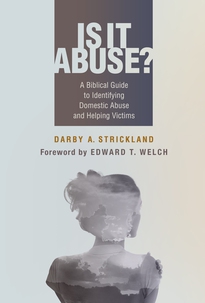
Is It Abuse?: A Biblical Guide to Identifying Abuse and Helping Victims
By Darby A. Strickland
For years, biblical counselor Darby Strickland has served women in oppressive marriages. Now she writes to anyone who wants to help, regardless of their level of experience. In Is It Abuse? you’ll learn how to identify the toxic entitlement that drives abusive behavior and to better understand its impact on victims—including children who are raised in a home with domestic abuse. Through reflection question, case studies, exercises, and comprehensive worksheets, you will become equipped to provide wise and Christ-centered counsel and to empower and advocate for victims while navigating the complex dynamics of oppression in a marriage.
Joy Through the Night: Biblical Resources on Suffering
By Aída Besançon Spencer and William David Spencer
Joy Through the Night uniquely combines personal experience and scholarship in order that readers may face the most difficult questions Christians can ask: If God is good and all-powerful, how can the world be so shot through with evil? What about the pain of so many children and other innocent people? And why is God letting me hurt so much, so long?
Aída and William Spencer draw on the suffering they have faced—including chronic disease and the untimely death of a sibling—to ask these questions on a practical, down-to-earth level. But they also draw on their extensive theological training and ministry experience to present biblical resources for dealing with suffering.
In the end, this is a book both realistic and hopeful, offering reassurance that even in the midst of pain we can know joy as we learn to rely on God and the communal care of the church. It will prove a valuable aid to those who minister to them.
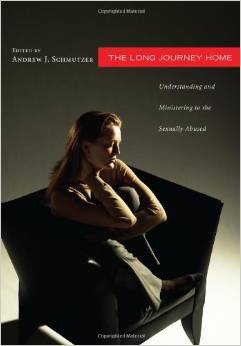
The Long Journey Home: Understanding and Ministering to the Sexually Abused
Edited by Andrew J. Schmutzer
Maybe the only thing new about sexual abuse is quality discussion from several professions (psychology, theology, and pastoral care). Here are the insights of over two dozen psychologists, theologians, and those in pastoral care, all targeting the issue of sexual abuse. Designed as a resource for Christian educators, therapists, pastors, social workers, group leaders, and survivors, The Long Journey Home combines current research in mental health with rich theological reflection, global concern with fervent pastoral wisdom for the local faith community. Whether you are a counselor, professor, pastor, or spouse of a survivor, you hold in your hand a fresh resource of information and advocacy for those suffering from the devastating effects of sexual abuse and rape. The breadth of material, biblical insight, discussion questions, and helpful resources gathered here just may be the tool of a generation.
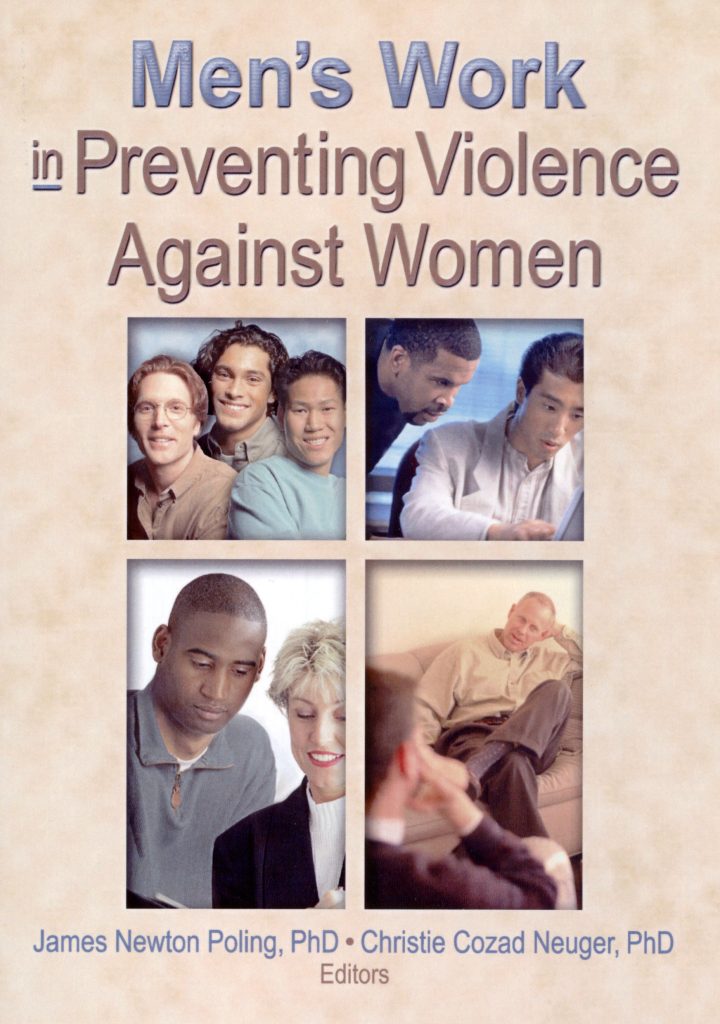
Men’s Work in Preventing Violence Against Women
By James Newton Poling and Christie Cozad Neuger
Men’s Work in Preventing Violence Against Women examines the experiences of 12 practicing counselors who call on their religious training to form partnerships between men and women that promote an end to domestic violence. In both religious and secular settings, the bulk of the work done to end violence against women is done by women—survivors who have become activists and advocates who have been touched by the witness of survivors. Motivating and educating men to share the everyday work of domestic violence shelters, rape crisis counseling, and abuse prevention is essential. This book challenges traditional images of masculinity, exploring effective—and ineffective—methods of helping men face their own sexism and change their behavior toward the goal of ending domestic violence.
Each contributor to Men’s Work in Preventing Violence Against Women approached the concept of man/woman partnerships working to end domestic violence and sexual assault with the following questions in mind: In your experience and social world, have you seen creative partnerships between men and women that made a difference? Have you seen men in counseling struggle to change their views on gender in order to become reliable allies in the fight to end violence against women? How can religion become a resource for men working to become allies with women? What strategies can men use to help end violence against women?
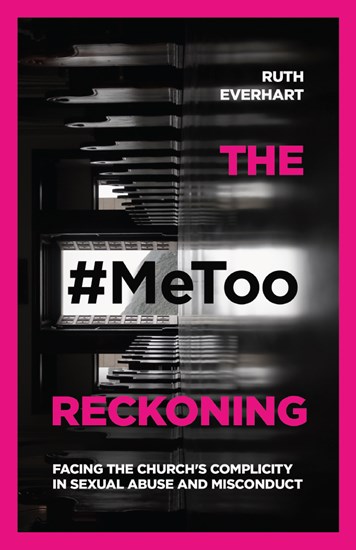
The #MeToo Reckoning: Facing the Church’s Complicity in Sexual Abuse and Misconduct
By Ruth Everhart
The #MeToo movement has revealed sexual abuse and assault in every sphere of society, including the church. But victims are routinely ignored by fellow Christians who deny their accounts and fail to bring accountability to the perpetrators. All too often, churches have been complicit in protecting abusers, reinforcing patriarchal power dynamics, and creating cultures of secrecy, shame, and silence.
Pastor and survivor Ruth Everhart shines a light on the prevalence of sexual abuse and misconduct within faith communities. She candidly discloses stories of how she and others have experienced assault in church settings, highlighting the damage done to individuals, families, and communities. Everhart offers hope to survivors as she declares that God is present with the violated and stands in solidarity with victims. Scriptural narratives like those of Tamar and Bathsheba carry powerful resonance in today’s context, as do the accounts of Jesus’s interactions with women.
God is at work in the midst of this #MeToo moment to call the church to repentance and deliver us from violence against the vulnerable.
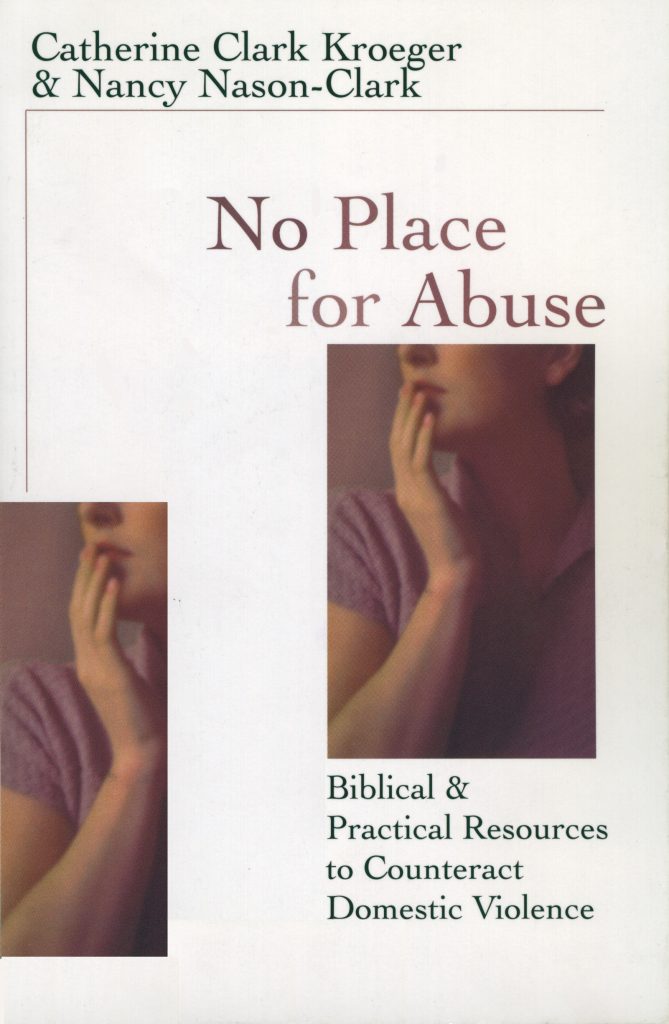
No Place for Abuse: Biblical & Practical Resources to Counteract Domestic Violence
By Catherine Clark Kroeger and Nancy Nason-Clark
Domestic violence is a leading cause of injury and death to women worldwide. Nearly one in four women around the globe is physically or sexually abused in her lifetime, and gender violence causes more death and disability among women aged 15 to 44 than cancer, malaria, traffic accidents, or war. Regrettably, the church is not immune to this problem.
Numerous studies suggest that incident rates among active churchgoers are nearly the same as those among the general populace. In this thoroughly revised and updated edition, Catherine Clark Kroeger and Nancy Nason-Clark share with readers a further ten years of experience in listening to the voices of women from around the world and especially to those within the church. They help us hear their cries and find concrete ways to respond so that no home will be a place of abuse.
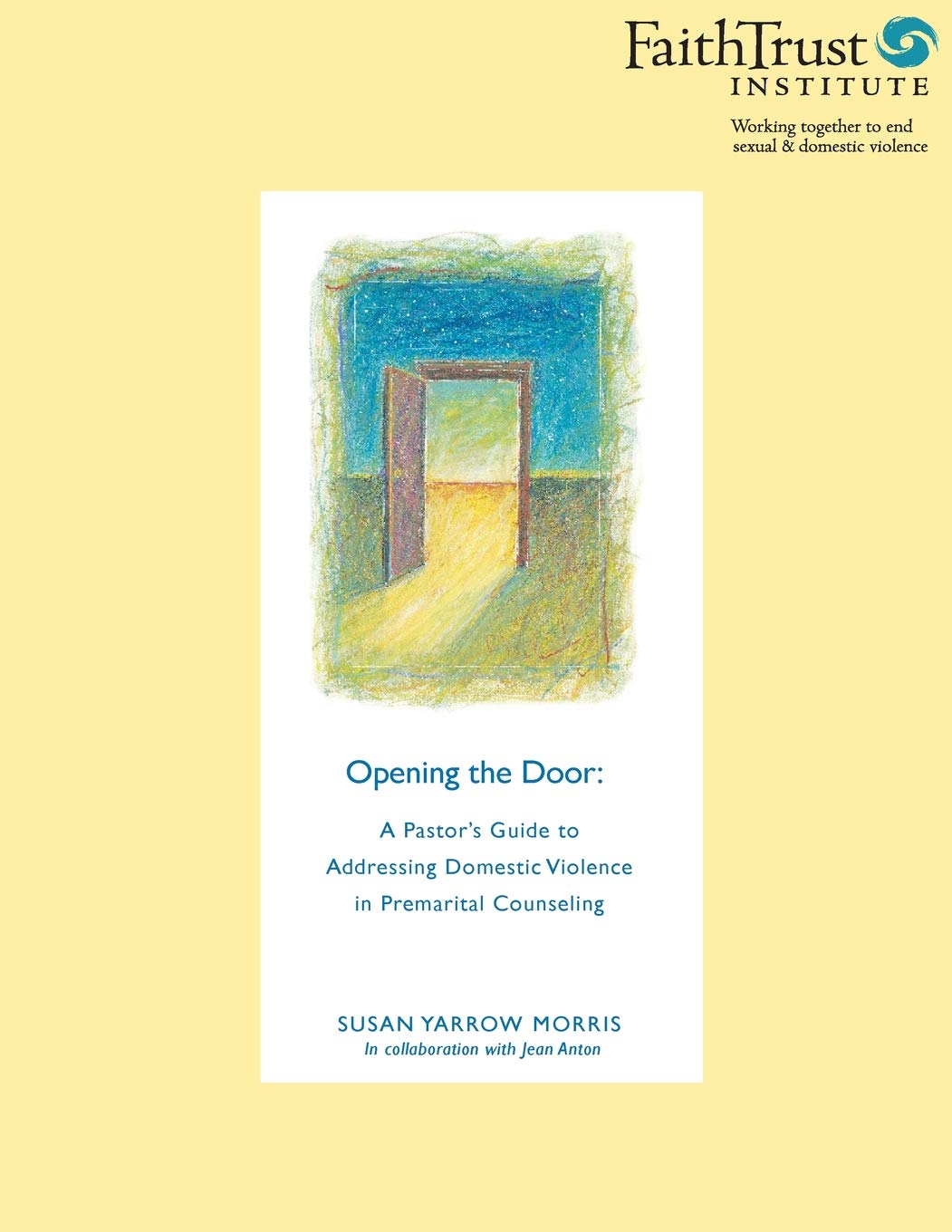
Opening the Door: A Pastor’s Guide to Addressing Domestic Violence in Premarital Counseling
By Jean Anton
A critical interdenominational resource for Christian pastors and counselors seeking to prevent domestic violence. A must-have, step-by-step resource for every Christian minister who provides premarital counseling. Assists clergy in discussing domestic violence in the context of premarital counseling. Highly adaptable to any current premarital structure.
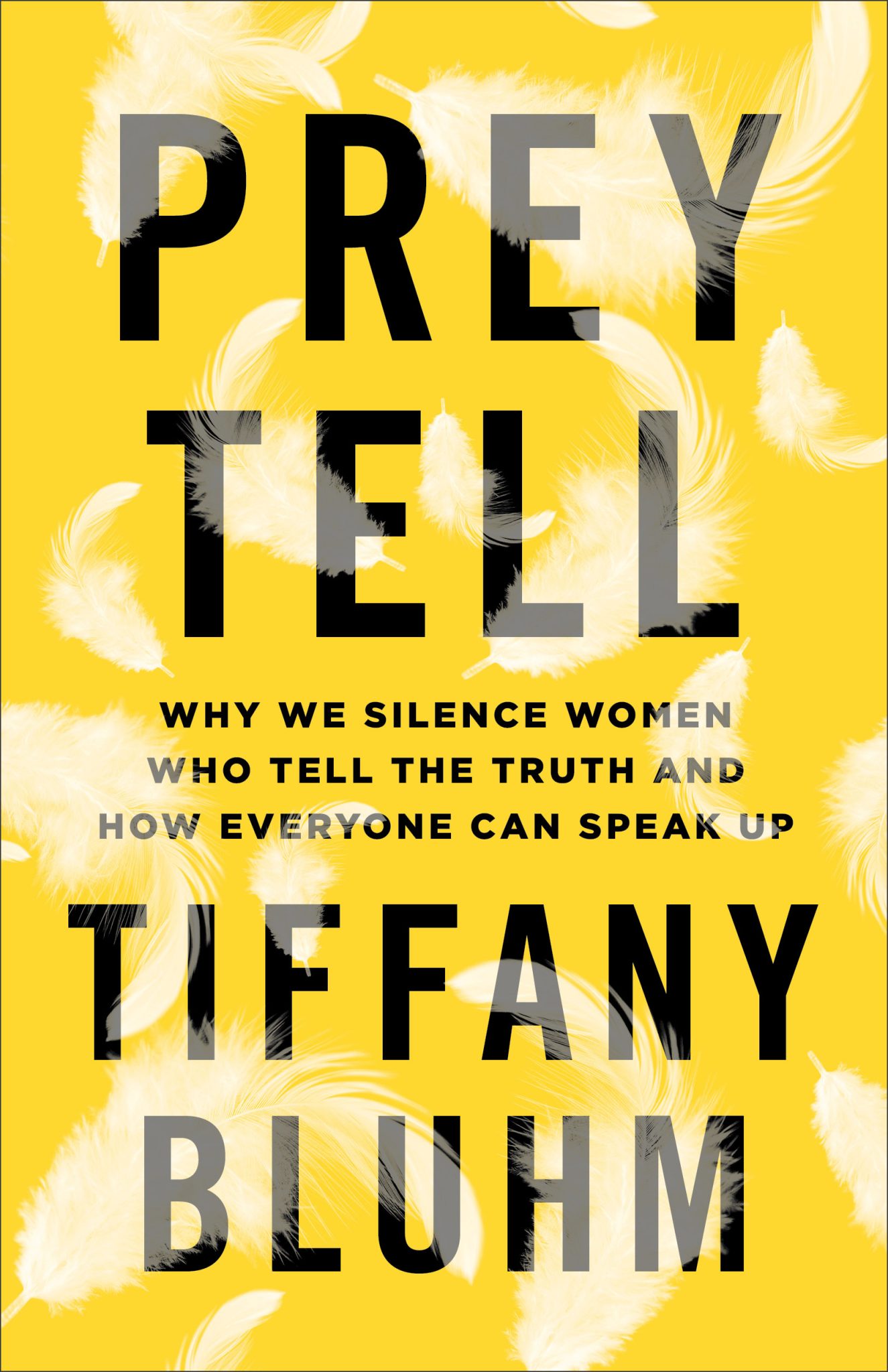
Prey Tell: Why We Silence Women Who Tell the Truth and How Everyone Can Speak Up
By Tiffany Bluhm
Issues of sexual harassment and abuse are too often pushed under the rug in churches. Weaving in her own story with careful, myth-shattering research, Bluhm discloses a world of deep hurt and male manipulation. In the end, she calls for increased transparency, protection of the vulnerable, and sympathy for victims.
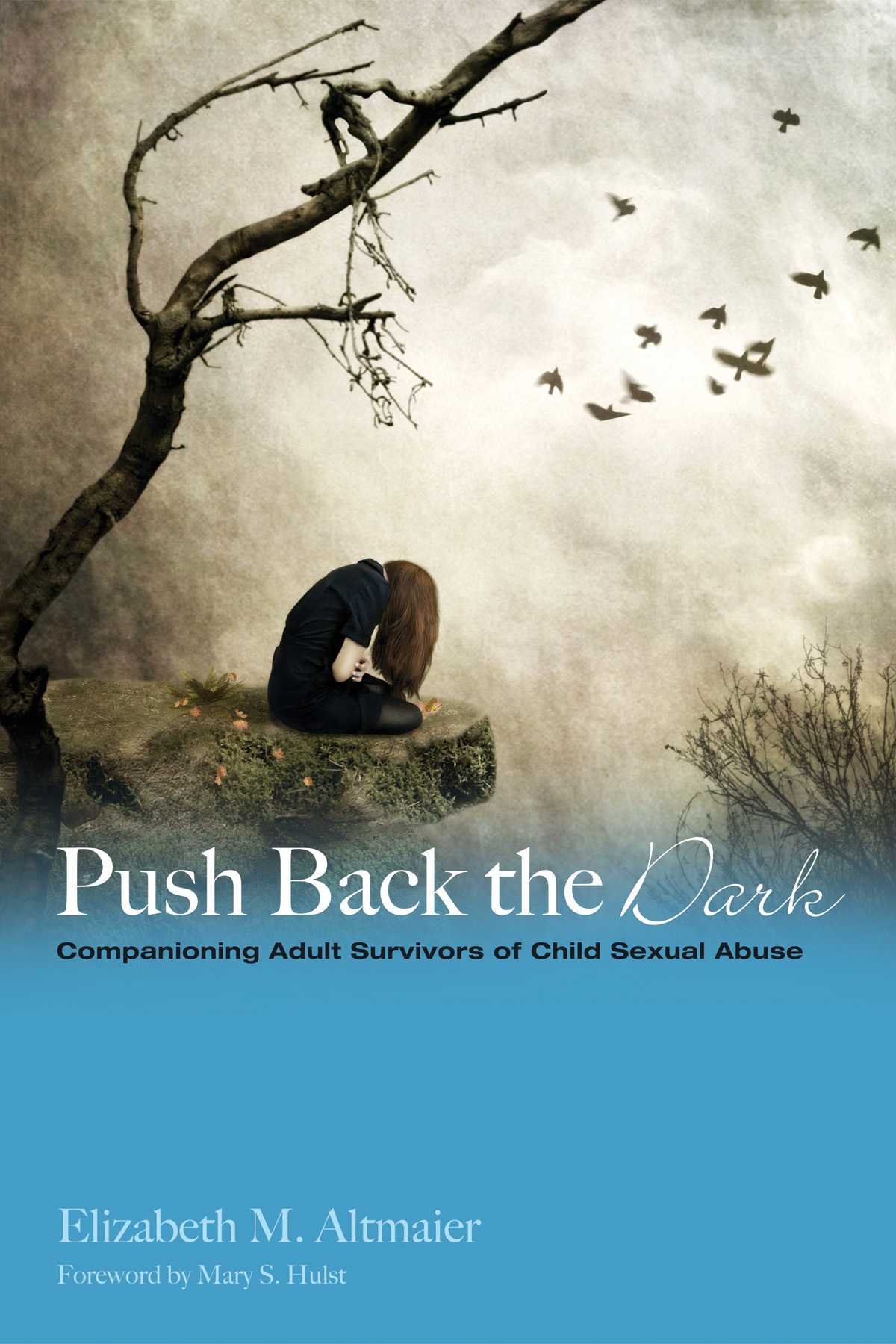
Push Back the Dark: Companioning Adult Survivors of Childhood Sexual Abuse
By Elizabeth M. Altmaier and Mary S. Hulst
Adults in your church, small group, or other Christian organization are silently suffering the tragic consequences of having been sexually abused as children or youth. Why aren’t they coming forward for help? Their reluctance may be related to wounds given by the faithful—religious people they trusted, who said things like “well, it wasn’t rape” or “it’s been thirty years . . . why is this such a big deal?” Such responses from people with religious authority deepen victims’ need to shrink into anxiety, depression, and self-degradation.
This book offers you the tools needed to undertake caring ministry to adults suffering in the aftermath of childhood sexual abuse. Once you understand the scientific research on such topics as trauma memory, consequences of abuse, and forgiveness, you will appreciate how caring collaboration can create hope and healing. In these pages every reader will find helpful content that will take you from feeling out of your depth to knowing you are empowered to be an effective companion in God’s transforming work in the lives of survivors of abuse.
Redeeming Power: Understanding Authority and Abuse in the Church
By Diane Langberg
Power has a God-given role in human relationships and institutions, but it can lead to abuse when used in unhealthy ways. Speaking into current #MeToo and #ChurchToo conversations, this book shows that the body of Christ desperately needs to understand the forms power takes, how it is abused, and how to respond to abuses of power.
Although many Christians want to prevent abuse in their churches and organizations, they lack a deep and clear-eyed understanding of how power actually works. Internationally recognized psychologist Diane Langberg offers a clinical and theological framework for understanding how power operates, the effects of the abuse of power, and how power can be redeemed and restored to its proper God-given place in relationships and institutions. This book not only helps Christian leaders identify and resist abusive systems, but also shows how they can use power to protect the vulnerable in their midst.
Safe Church: How to Guard Against Sexism and Abuse in Christian Communities
By Andrew J. Bauman
If the past few years have taught us anything, it’s that by and large the church has failed women. From sexual abuse scandals involving high-profile pastors, to decades-long systemic cover-ups of sexual harassment and mistreatment, to harmful theology that has driven women to leave the church and find community elsewhere, it’s clear that something is broken. If we want to fix it, it’s time we start listening.
Drawing on new, firsthand research and in-depth interviews, Safe Church allows women to voice the pain they have suffered at the hands of insecure leaders who were often unaware of how their words, actions, and attitudes were harming their sisters in Christ. With practical advice on how to create more equity and less sexism and abuse in the church, this honest look at how misogyny masquerades as biblical truth is a vital resource for pastors, church leaders, and anyone who wants to make a meaningful difference in their own Christian community.
Strengthening Families and Ending Abuse: Churches and Their Leaders Look to the Future
By Nancy Nason-Clark
Strengthening families of different varieties and ending abuse in the myriad of forms through which it surfaces is God’s way of bringing peace and safety to Christian homes across the world. We challenge congregations, their leaders, and the men, women, and youth who faithfully support them to consider their personal role in bringing this vision—inspired by the Scriptures—into reality. Together our voices can be strong.
We are united in our belief that every home should be a safe home, every home a shelter from the storms of life, every home a place where we are supported, treated with respect and dignity, and every home a place where men and women are encouraged to be all they can be. It is a tall order. It is a dream to guide our personal conduct and to measure our congregational and community life. We are far from reaching this goal—but toward it we strive.
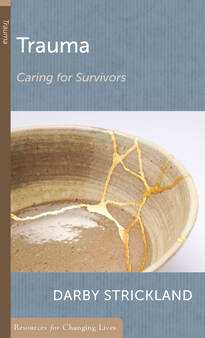
Trauma: Caring for Survivors
By Darby A. Strickland
Survivors of trauma often face extreme and overwhelming suffering. Their wounds are so complex—anyone who desires to effectively treat the vast impacts of trauma must offer comprehensive and intentional care.
Darby Strickland helps counselors and helpers to understand trauma and its effects so they can offer compassion and comfort that is both biblical and trauma informed. She presents the foundations of trauma care, so that readers can address the impact of a sufferer’s experience, ensure the safety and stability of the survivor, and build trust with the hurting. These tools will help counselors and helpers to restore a sufferer to flourishing in their love for God and others. In this way, those who counsel trauma sufferers along the perilous journey of recovery can emulate our good and ultimate Guide . . . and learn to trust him for the results.
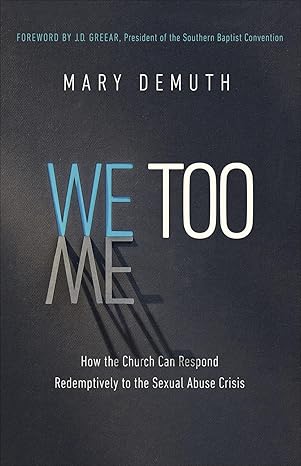
We Too: How the Church Can Respond Redemptively to the Sexual Abuse Crisis
By Mary DeMuth
In the wake of the #MeToo movement, the world is watching how the church will respond. Unfortunately, secular society has sometimes offered more grace to victims than the church. In her latest book, We Too, Mary DeMuth sheds light on this issue . . . and focuses on solutions: inspiring God-fearing men and women to action without shaming, cultivating a culture of listening and compassion for victims, and welcoming victims’ honest stories from the pulpit.
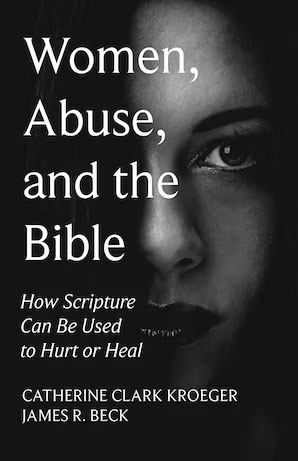
Women, Abuse, and the Bible: How Scripture Can Be Used to Hurt or Heal
Edited by Catherine Clark Kroeger and James R. Beck
Why are spouse and child abuse so frighteningly common in the church? According to the findings of this book’s contributors, the main reason stems from misuse and misunderstanding of the Bible’s teachings on headship and submission.
Based on a CBE International conference, Women, Abuse, and the Bible shows that many abusers see no conflict between their behavior and their Christian beliefs. Some abusers even justify their behavior by citing biblical passages and religious principles.
With input from counselors, biblical scholars, an abuser, and survivors, this eye-opening book will compel Christians to recognize the existence of domestic violence; offer practical and creative pathways to healing; and challenge churches to honestly address the issues of domestic, verbal, and clergy abuse, emotional cruelty, sexual harassment, and rape.
This book speaks frankly of the way that the Bible can be used to hurt or to heal, to disperse God’s grace or to obstruct it. It serves as a source book for all Christians courageous enough to address the problem.